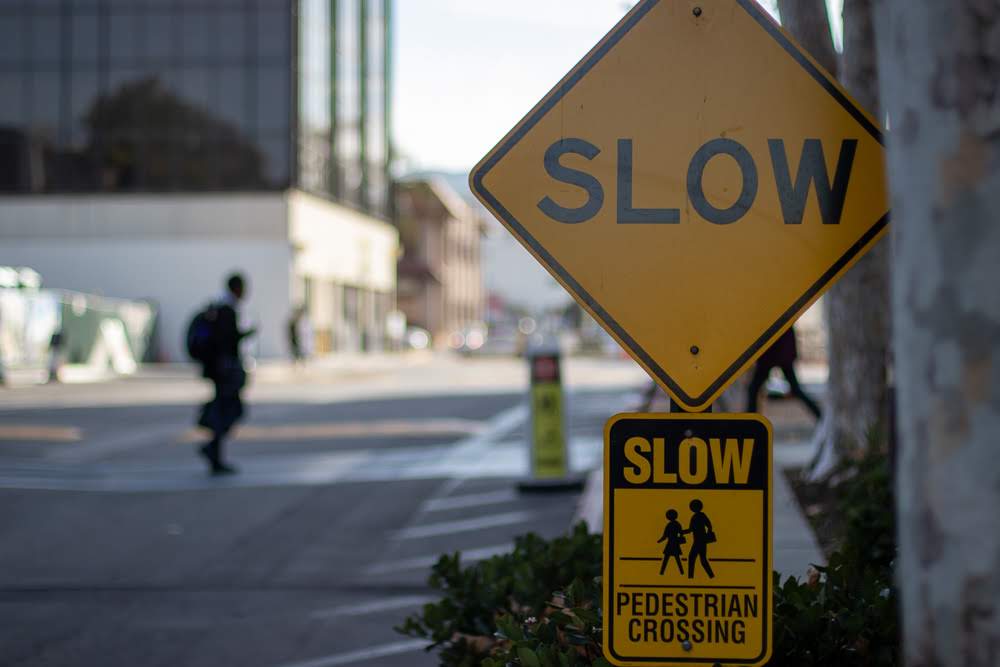
Few things frighten a parent more than a child hurt by a car, and school zones, bus stops, and neighborhood streets are where it most often happens. When a driver strikes a child, New Jersey law gives that child strong protections, including a longer window to bring a claim.
Children are hit in predictable places and for predictable reasons. School zones at arrival and dismissal, bus stops, and residential streets see the most child pedestrian crashes, often when a driver is moving too fast or not watching closely.
Children are smaller and harder to see, and they may dart into the street without warning, which is exactly why the law expects drivers to slow down and stay alert around them. Early mornings and mid-afternoons around school hours are especially high-risk times on residential streets.
A driver who treats a school zone like any other road fails to meet that duty. Crossing guards, flashing signals, and lowered speed limits all exist because the risk to children in these areas is both real and foreseeable.
Drivers owe a high degree of care where children are present. New Jersey law requires drivers to yield to pedestrians in a crosswalk under N.J.S.A. 39:4-36, and reduced school-zone speed limits reflect how unpredictably children can behave. Courts have also long recognized, as a matter of common-law negligence, that a driver's duty expands where children are likely present; they're expected to anticipate a child darting into the street near a school or bus stop and to drive accordingly. Failing to do so is often the heart of a child pedestrian claim.
Young children also aren't held to an adult standard for their own conduct. New Jersey law treats very young children as generally incapable of contributory negligence, with a rebuttable presumption of incapacity for those in a middle age range, limiting how much a defendant can argue the child's own actions reduced their recovery.
Police reports, witness accounts, and nearby camera footage help establish that the driver wasn't paying the attention the situation demanded.
New Jersey treats a child's claim differently from an adult's on timing, but the deadline depends heavily on who caused the accident.
For claims against a private driver, most injury lawsuits must be filed within two years, and that clock is generally paused for a minor until age 18 under N.J.S.A. 2A:14-21, giving them until around age 20 to file.
If a public entity may be involved instead, like a school district, municipality, or municipally employed crossing guard, a much stricter deadline applies. The New Jersey Tort Claims Act, N.J.S.A. 59:8-8, requires a formal notice of claim within just 90 days of the accident. Courts have some discretion to allow late notice, with added leeway for minors, but that relief isn't guaranteed. Since school zones and bus stops often involve public property or employees, this 90-day window can be the most urgent deadline in a child-pedestrian case.
This is one situation where a child's filing deadline is extended under New Jersey law, though acting quickly still matters, both to preserve evidence and to avoid missing a short public-entity notice deadline. A parent should not wait to find out which deadlines apply.
A claim for an injured child can seek medical costs, future care expenses, and the child's own pain and suffering, including how a lasting injury may limit their activities and opportunities as they grow.
Because a minor can't sue alone, a parent typically pursues the claim as the child's "next friend" under New Jersey court rules. A separate guardian ad litem may be appointed in some cases to represent the child's interests independently, such as when there's a potential conflict with the parent's interests. The two-year clock doesn't run against the child during minority, but a parent's own related claim and any public-entity notice deadline can follow their own timeline.
New Jersey also requires court approval of any settlement of a minor's claim, ensuring the amount reasonably reflects the child's injuries and future needs. Those funds are typically held in a court-supervised account or structured arrangement until adulthood, protecting the recovery until it's needed.
The Budanitsky firm handles a child injury claim with the extra care it deserves, from proving the driver's fault to guiding a family through the court approval process.
Attorney Sander Budanitsky has represented injured New Jersey clients since 1996 and understands what these cases mean to a family.
The consultation with The Law Offices of Sander Budanitsky, L.L.C., is free, and you owe no fee unless there is a recovery.
How long do I have to file a claim after my child is hit by a car?
A minor's filing deadline is generally paused until the child turns 18, giving them until about age 20 to file. Acting sooner still helps preserve evidence.
Does a court have to approve a settlement for my injured child?
Yes. New Jersey requires court review and approval of a minor's settlement to make sure it is fair, and the funds are typically protected for the child until adulthood.
Reviewed by Sander Budanitsky, Esq., admitted to the New Jersey Bar in 1996.
Last reviewed: September 2026
This article is for general information only and is not legal advice. Reading it does not create an attorney-client relationship. For advice about your specific situation, consult a licensed New Jersey attorney.

After a crash, one of the first worries is where to go for care and...

If you were hurt on or by an NJ Transit bus or train, you are...
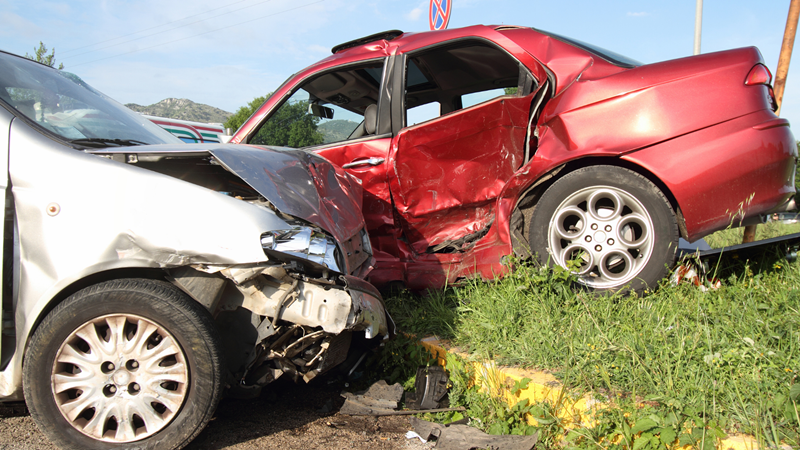
In New Jersey, you can still recover money after a crash even if you were...

After a New Jersey crash, your own auto policy pays your medical bills first through...
The Law Offices of Sander Budanitsky, L.L.C. welcomes calls from potential clients and from attorneys looking to refer or co-counsel a matter. Whether it is an injury claim, a civil dispute, a criminal charge, or an immigration question, the first conversation is free and there is no obligation to hire the firm afterward.
Call the Roselle, New Jersey office at (908) 241-3445 or the Philadelphia, Pennsylvania office at (215) 545-2300. You can also send the details through the contact form and someone from the office will get back to you. Calls are answered 24 hours a day, 7 days a week.
