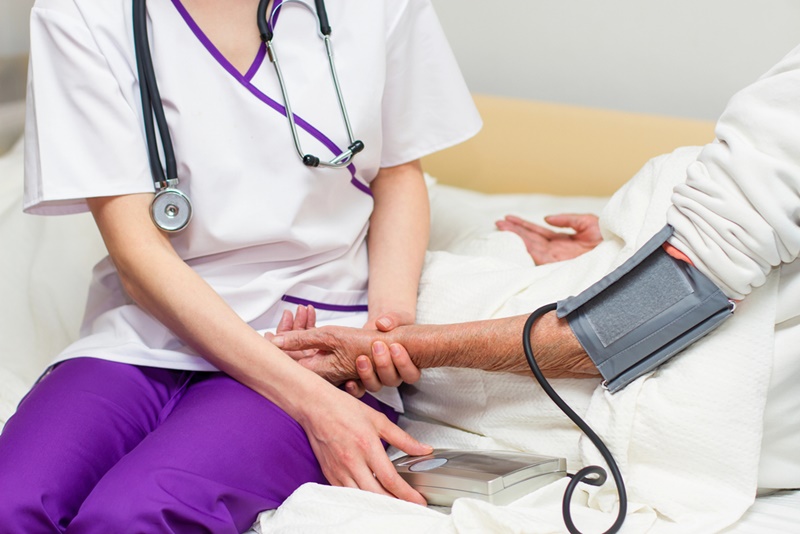
After a crash, one of the first worries is where to go for care and who pays for it. In New Jersey, your own auto policy generally pays for covered medical treatment first through PIP, regardless of who caused the accident.
Adrenaline after a crash can mask serious injuries for hours or days. Whiplash, concussions, and internal injuries may not cause symptoms right away, so a prompt evaluation can protect both your health and your claim.
Depending on the severity, that might mean going to the emergency room at Trinitas Regional Medical Center or Robert Wood Johnson University Hospital in Rahway, or visiting an urgent care center and following up with your own doctor. People with the most severe injuries may be taken to a regional Level I trauma center, such as University Hospital in Newark.
Waiting to seek care can give an insurer a reason to question whether your injuries were caused by the crash. Even a delay of a day or two may raise questions, so getting checked promptly can help protect both your health and your claim.
New Jersey is a no-fault state, so your Personal Injury Protection coverage pays your medical providers first under N.J.S.A. 39:6A-4, regardless of fault, unless you elected your health insurance as primary. This coverage allows treatment to begin without waiting for a fault dispute to be resolved.
It also means you generally do not have to pay all your crash-related medical bills yourself while your claim is pending, as long as the treatment is covered and properly approved. Knowing how PIP pays your medical providers can help you avoid sending crash-related bills to the wrong insurer and creating problems later.
Your PIP limit can range from $15,000 to $250,000, depending on the coverage you chose. A serious injury can use up a lower limit quickly, making it important to coordinate any remaining coverage.
PIP comes with a process most people have never heard of until they need it. For many injuries and treatments, your insurer uses a decision point review process that requires pre-approval before certain tests or procedures are covered.
Missing these steps can lead to reduced or denied payment, even when the care was medically necessary. Your treating providers usually handle the paperwork, but staying organized and keeping copies can help if a dispute arises.
If your insurer denies treatment that your doctor says you need, you may be able to challenge the decision. Keeping your records organized can make that process easier.
If your health insurance pays for any crash-related care, certain plans, such as self-funded employer plans or Medicare, may later seek repayment from your settlement. This is another reason to keep your medical bills and insurance records organized from the start.
The right care team depends on your injuries, and clear medical records are also important. You may need your primary doctor, an orthopedist for fractures, a neurologist for head injuries, or physical therapy during a longer recovery.
Keeping a simple record of your symptoms and how they affect your daily life, from missed work to tasks you can no longer do, can provide details that medical charts may not include. Consistent treatment and clear records can also help show how your injuries are connected to the crash.
If your policy has the limitation on the lawsuit option, recovering compensation for pain and suffering generally requires objective medical proof of a qualifying injury, such as a permanent injury, under N.J.S.A. 39:6A-8(a).
Gaps in treatment or missed appointments can weaken a claim. Following your providers’ recommendations and completing the treatment they prescribe can support both your recovery and your medical records.
The Law Offices of Sander Budanitsky, L.L.C. helps injured clients coordinate PIP benefits, keep their medical treatment well documented, and challenge improper denials of covered care. Attorney Sander Budanitsky has represented injured clients in New Jersey since 1996 and understands how medical records can affect a personal injury claim.
We offer free consultations, and you pay no attorney’s fee unless there is a recovery. Call us at (908) 241-3445 to discuss your situation.
Your own PIP coverage pays your medical providers first, regardless of who caused the crash, under N.J.S.A. 39:6A-4, unless you elected your health insurance as primary. Costs beyond your PIP limit can be pursued from the at-fault driver.
You can generally choose your medical providers, but your PIP insurer may require pre-approval for certain treatment through its decision point review process. Keep records of all care you receive.
Reviewed by Sander Budanitsky, Esq., admitted to the New Jersey Bar in 1996.
Last reviewed: September 2026
This article is for general information only and is not legal advice. Reading it does not create an attorney-client relationship. For advice about your specific situation, consult a licensed New Jersey attorney.
Few things frighten a parent more than a child hurt by a car, and school...
In New Jersey, you can still recover money after a crash even if you were...

If you were hurt on or by an NJ Transit bus or train, you are...

Losing someone in a crash is a shock no one is ready for, and the...
The Law Offices of Sander Budanitsky, L.L.C. welcomes calls from potential clients and from attorneys looking to refer or co-counsel a matter. Whether it is an injury claim, a civil dispute, a criminal charge, or an immigration question, the first conversation is free and there is no obligation to hire the firm afterward.
Call the Roselle, New Jersey office at (908) 241-3445 or the Philadelphia, Pennsylvania office at (215) 545-2300. You can also send the details through the contact form and someone from the office will get back to you. Calls are answered 24 hours a day, 7 days a week.
