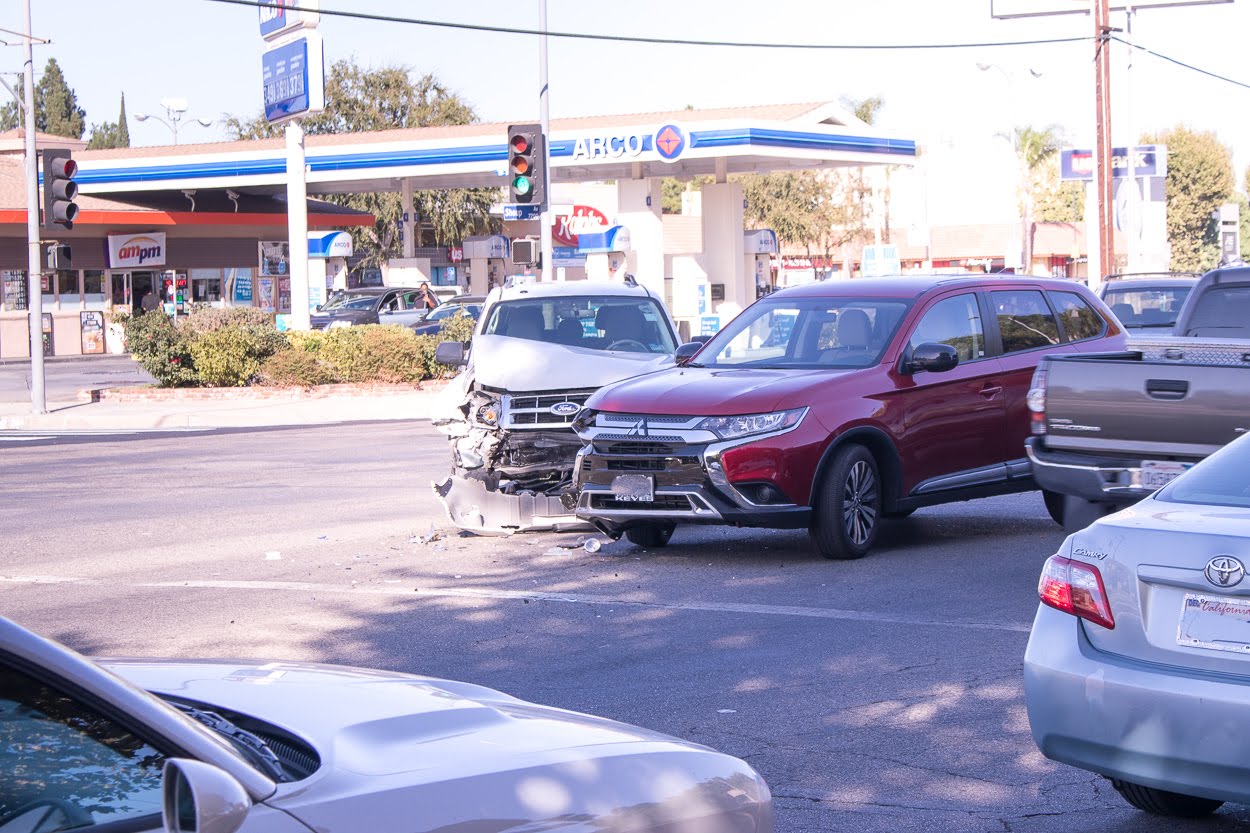
If you've been hurt in a car accident in New Jersey, one of the first questions on your mind after you check on your health is probably whether you can take the other driver to court. The answer isn't a simple yes or no. New Jersey is a "no-fault" state, and many drivers carry what's called the "verbal threshold" on their auto policy, which limits when you can sue for pain and suffering.
So what does that actually mean for your case? The verbal threshold sets a bar your injuries must clear before you can pursue certain damages. You should know where you stand before making any big decisions regarding your claim; this is the first step toward protecting your rights and fighting for compensation for your injuries and losses.
New Jersey is a no-fault state, which confuses a lot of people into thinking they can never sue. That is not what it means. Every standard auto policy includes Personal Injury Protection (PIP) under N.J.S.A. 39:6A-4, and PIP pays your medical bills regardless of who caused the crash.
No-fault refers to who pays your medical treatment first, not whether you can hold a careless driver responsible. The law draws a line between two kinds of damages: economic losses such as medical bills and lost wages, and noneconomic losses like pain and suffering. Your right to each follows a different path.
When you bought your policy, you chose a tort option under N.J.S.A. 39:6A-8, usually without realizing it. The Limitation on Lawsuit option, known as the verbal threshold, costs less but blocks a claim for pain and suffering unless your injury fits one of six categories: death, dismemberment, significant disfigurement or scarring, a displaced fracture, loss of a fetus, or a permanent injury proven by objective medical evidence.
A permanent injury is one that has not healed to normal function and will not heal to normal function with further treatment, and it must be confirmed by a physician certification.
The New Jersey Supreme Court held in DiProspero v. Penn and Serrano v. Serrano that these six categories are the whole test, with no extra "serious impact on your life" requirement. If you chose the No Limitation option instead, you can sue for pain and suffering with no injury threshold at all.
The verbal threshold does not apply to everyone, and the exceptions matter. Pedestrians and cyclists struck by a vehicle are generally not bound by it, because they are not required to carry PIP. Passengers who do not have their own policy are free of it too.
Motorcyclists usually fall outside the threshold entirely, since a motorcycle is not an "automobile" required to carry PIP.
Lastly, someone injured by an at-fault drunk driver is generally not blocked by the threshold either, while the intoxicated driver has no claim of their own. If an out-of-state driver hit you, the deemer statute can change which rules apply.
No matter which tort option you have, you can pursue your economic damages from the at-fault driver, including medical costs that exceed your PIP limits and income you lost while recovering. If your injury clears the threshold, you can also recover for the physical pain, the limits on your daily life, and the lasting effects of the harm.
New Jersey places no general cap on these compensatory damages, so the recovery follows the actual harm rather than a statutory ceiling.
After a serious wreck on a corridor such as Route 1 and 9 in Elizabeth, where a victim may be taken to Trinitas Regional Medical Center or to the Level I trauma center at University Hospital in Newark, those medical and wage losses add up quickly, and whether your injury clears that bar is often the difference between a small claim and a full one.
If you were injured in an Elizabeth car accident, the most valuable early step is finding out which tort option binds you and whether your injury meets the threshold, before an adjuster decides it for you.
Attorney Sander Budanitsky has represented injured New Jersey clients since 1996 and reviews each case to identify the strongest path to recovery. The consultation is free, you pay no fee unless we recover compensation for you.
New Jersey gives you only two years to file, so now is the perfect time to learn your rights. After you were injured in an Elizabeth car accident, The Law Offices of Sander Budanitsky is ready to review your options today.
No. No-fault decides who pays your medical bills first through PIP. You can still sue an at-fault driver for economic losses, and for pain and suffering if your injury meets the verbal threshold.
Your declarations page lists your tort option as either Limitation on Lawsuit (the verbal threshold) or No Limitation on Lawsuit. An attorney can confirm which one applies to your claim.
You have two years to file your suit after a car crash in Elizabeth or anywhere else in New Jersey.
Reviewed by Sander Budanitsky, Esq., admitted to the New Jersey Bar in 1996.
Last reviewed: June 2026
This article is for general information only and is not legal advice. Reading it does not create an attorney-client relationship. For advice about your specific situation, consult a licensed New Jersey attorney.
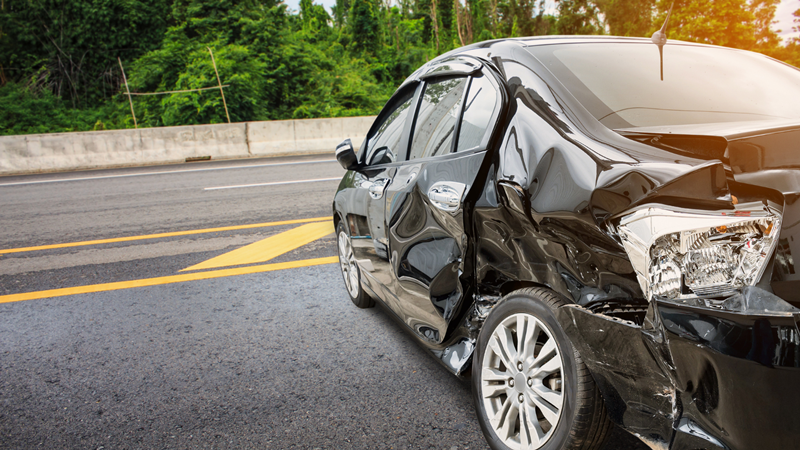
A car accident in Elizabeth can leave you with a great deal to handle at...

Few experiences are as devastating as losing someone you love because of another person's careless...
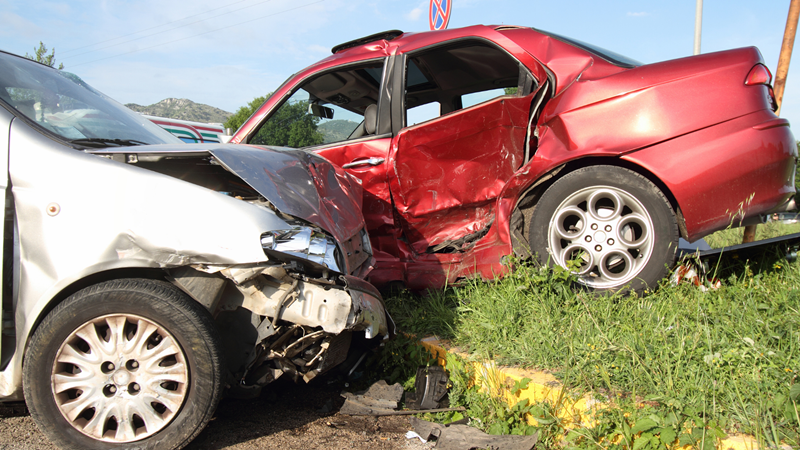
In New Jersey, you can still recover money after a crash even if you were...
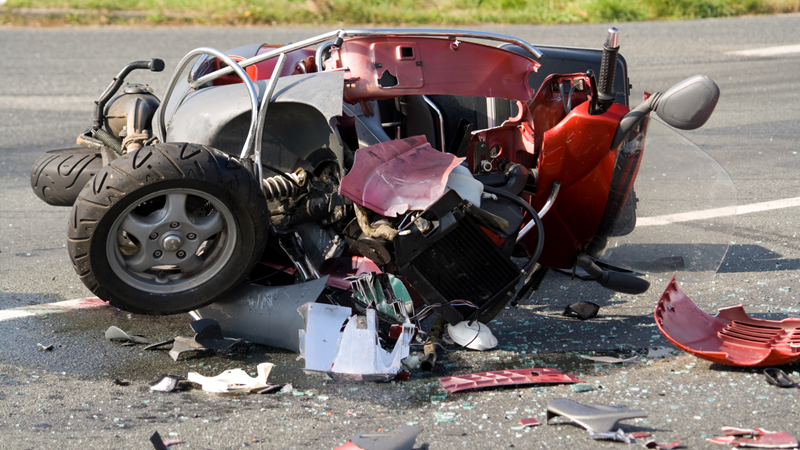
If you were injured in a motorcycle accident on Route 78, you may have more...
The Law Offices of Sander Budanitsky, L.L.C. welcomes calls from potential clients and from attorneys looking to refer or co-counsel a matter. Whether it is an injury claim, a civil dispute, a criminal charge, or an immigration question, the first conversation is free and there is no obligation to hire the firm afterward.
Call the Roselle, New Jersey office at (908) 241-3445 or the Philadelphia, Pennsylvania office at (215) 545-2300. You can also send the details through the contact form and someone from the office will get back to you. Calls are answered 24 hours a day, 7 days a week.
