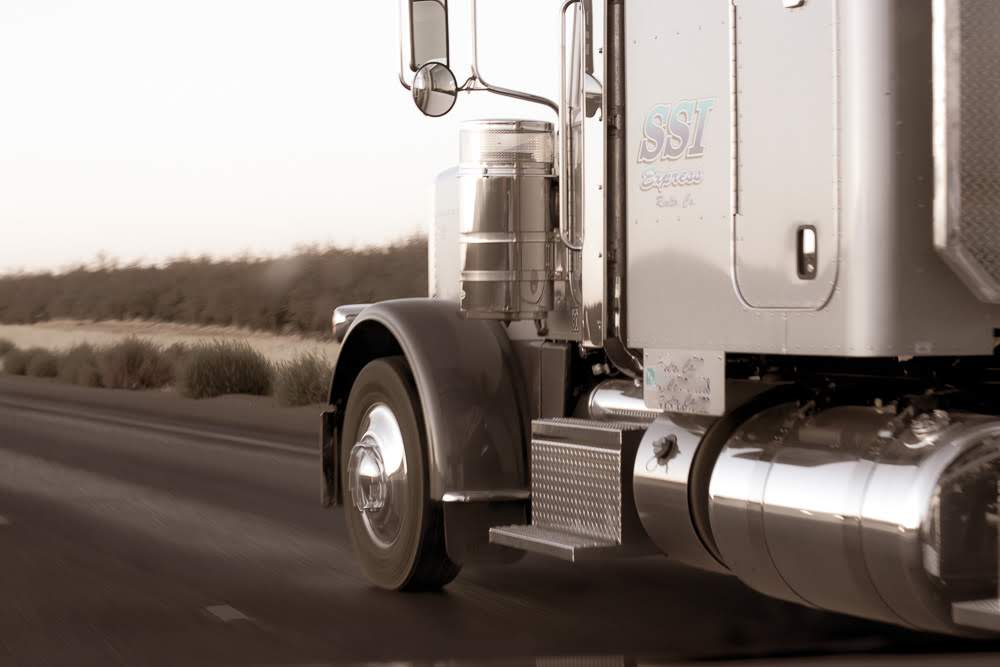
A crash involving a large truck is not just a bigger car crash. These cases pull in more responsible parties, a layer of federal safety rules, and injuries that tend to be far more serious.
The physics alone change everything. A loaded tractor-trailer needs a much longer distance to stop and does far more damage on impact than a passenger car.
Commercial trucks are also governed by Federal Motor Carrier Safety Administration rules under 49 C.F.R., which cover driver hours of service, vehicle maintenance, and commercial licensing.
On commercial-heavy routes like Route 22 and the Garden State Parkway, a violation of those rules, such as a fatigued driver who ignored hours-of-service limits, can be the direct cause of a wreck.
Spotting those violations is where a truck case begins. A driver who falsified a logbook to keep driving past the federal limit, or a carrier that skipped a brake inspection, can turn a routine highway crash into a clear liability case.
A truck crash rarely involves just the driver. The motor carrier that employed the driver, the company that loaded the cargo, and a maintenance contractor can each share responsibility. A broker who arranged the shipment may also face a claim in some cases, though broker liability is a developing and often contested area of law. Federal law can limit or preempt claims against brokers depending on the facts, so whether a broker can be pursued is something that has to be evaluated case by case rather than assumed.
New Jersey's allocation rule under N.J.S.A. 2A:15-5.3 matters here because a defendant found 60 percent or more at fault can be required to pay the entire award, while a defendant found less than 60 percent pays only its own share.
Understanding how fault is shared among multiple parties is what lets an injured person collect a full recovery even when one company cannot pay. Identifying every responsible party early keeps the available coverage from shrinking.
Commercial carriers are required to carry far higher insurance limits than ordinary drivers, but reaching those limits depends on naming the carrier and any other liable company, not just the person behind the wheel, before the deadline passes.
Truck cases live and die on evidence that does not stay around long. The truck's electronic logging device and engine control module record speed, braking, and hours behind the wheel, and the carrier's own maintenance and driver-qualification files tell the rest of the story.
Trucking companies are not required to preserve that material forever, so a prompt legal hold, often called a spoliation letter, is critical to keep it from being overwritten or discarded. The sooner that demand goes out, the more of the record survives.
A crash on a corridor like Route 22, where commercial trucks constantly merge with local traffic, can come down to a few seconds of logging-device data showing the driver never braked, and that data is exactly what a legal hold protects.
Because truck collisions cause severe injuries, the losses run high, and New Jersey places no general cap on compensatory damages in ordinary cases.
A victim of a serious highway crash is often transported to a trauma center, and those medical costs alone can be substantial. Where a carrier or driver acted with true recklessness, punitive damages may be available. Under N.J.S.A. 2A:15-5.12, punitive damages are never automatic; they must be proven by clear and convincing evidence that the harm resulted from acts or omissions actuated by actual malice or wanton and willful disregard for others. Even when they're awarded, N.J.S.A. 2A:15-5.14 generally caps punitive damages at five times the compensatory award or $350,000, whichever is greater.
After a serious truck crash, getting medical care comes first. If you're covered under a New Jersey auto policy with Personal Injury Protection, reporting the collision to your own insurer can open PIP benefits, which pay for treatment regardless of fault while the liability investigation goes forward. Whether PIP applies, and how it interacts with a commercial trucking claim, depends on your own coverage and your role in the crash, so this is worth confirming with your insurer or attorney early on.
The Law Offices of Sander Budanitsky, L.L.C., helps people who have been injured by commercial vehicles in Union County sort through who is liable and how to prove it.
Attorney Sander Budanitsky has represented injured New Jersey clients since 1996 and understands how trucking insurers defend these claims.
The two-year filing deadline applies, and the disappearing evidence makes speed even more important, so the consultation with The Law Offices of Sander Budanitsky, L.L.C. is free with no fee unless there is a recovery. Contact our team at (908) 241-3445.
Responsibility can extend beyond the driver to the motor carrier, the cargo loader, or a maintenance contractor, and in some cases, a broker. New Jersey law lets you collect the full award from any party found at least 60 percent at fault.
The truck's electronic logging device, engine data, driver logs, and maintenance records are key. They can be lost quickly, so preserving them early is essential.
Reviewed by Sander Budanitsky, Esq., admitted to the New Jersey Bar in 1996.
Last reviewed: July 2026
This article is for general information only and is not legal advice. Reading it does not create an attorney-client relationship. For advice about your specific situation, consult a licensed New Jersey attorney.
The minutes and days after a Plainfield crash decide more about your claim than most...
After a New Jersey crash, your own auto policy pays your medical bills first through...
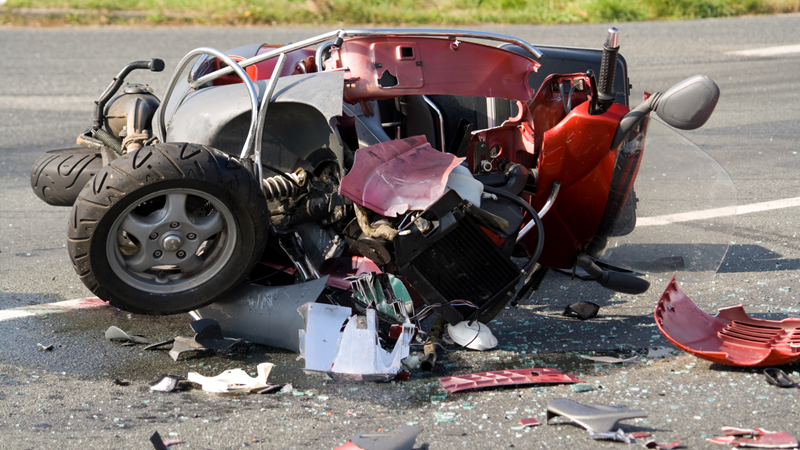
If you were injured in a motorcycle accident on Route 78, you may have more...
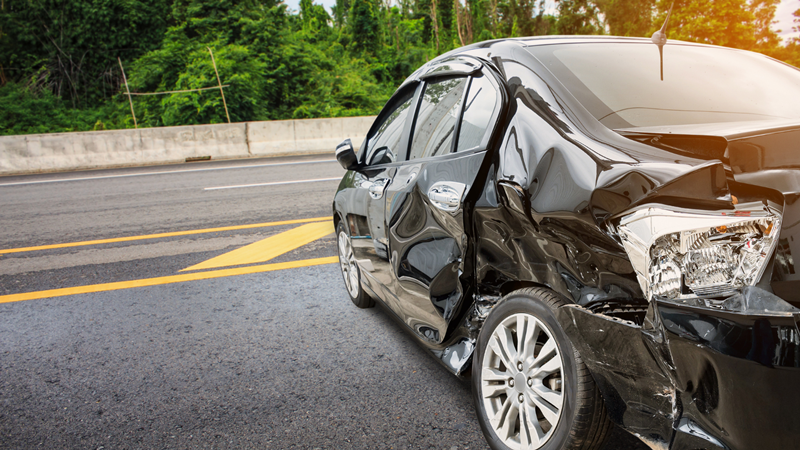
A car accident in Elizabeth can leave you with a great deal to handle at...
The Law Offices of Sander Budanitsky, L.L.C. welcomes calls from potential clients and from attorneys looking to refer or co-counsel a matter. Whether it is an injury claim, a civil dispute, a criminal charge, or an immigration question, the first conversation is free and there is no obligation to hire the firm afterward.
Call the Roselle, New Jersey office at (908) 241-3445 or the Philadelphia, Pennsylvania office at (215) 545-2300. You can also send the details through the contact form and someone from the office will get back to you. Calls are answered 24 hours a day, 7 days a week.
